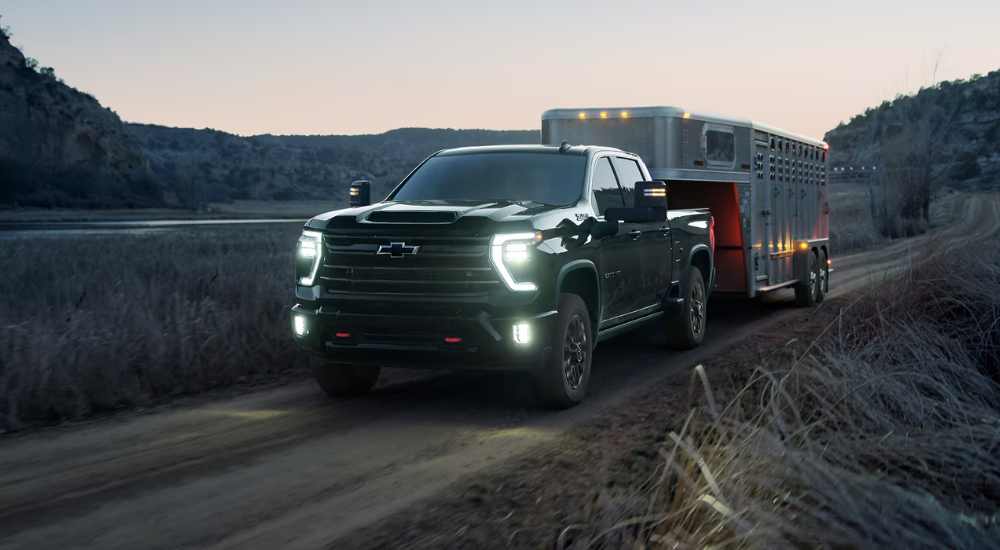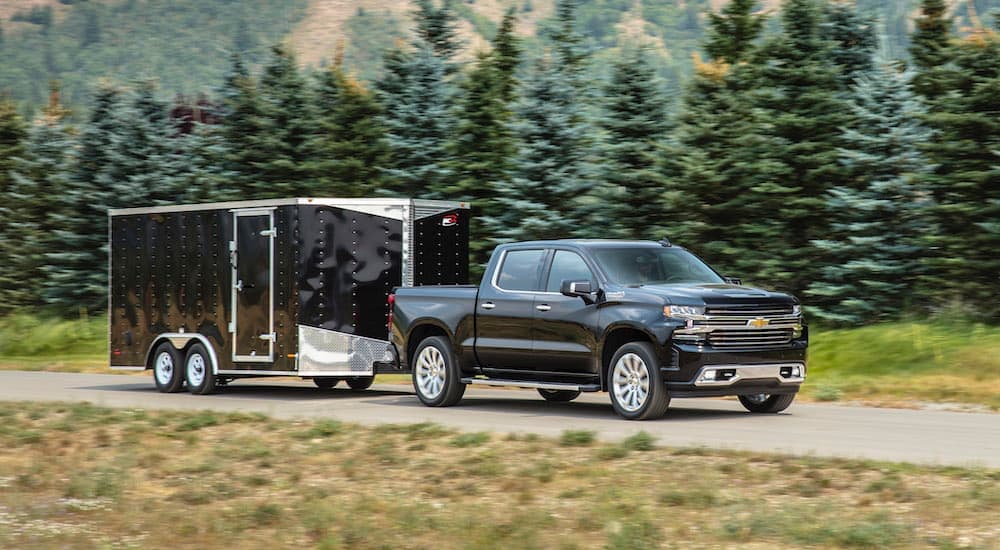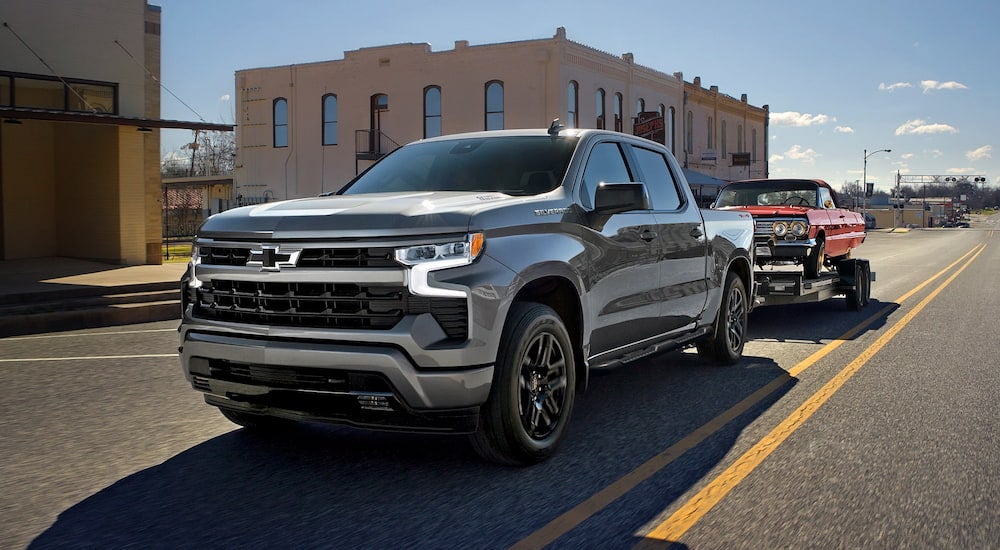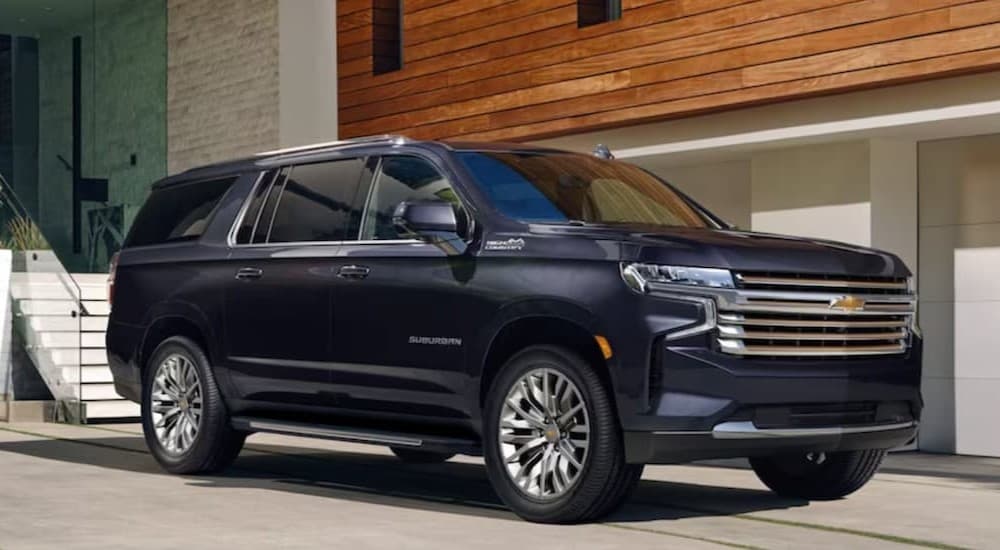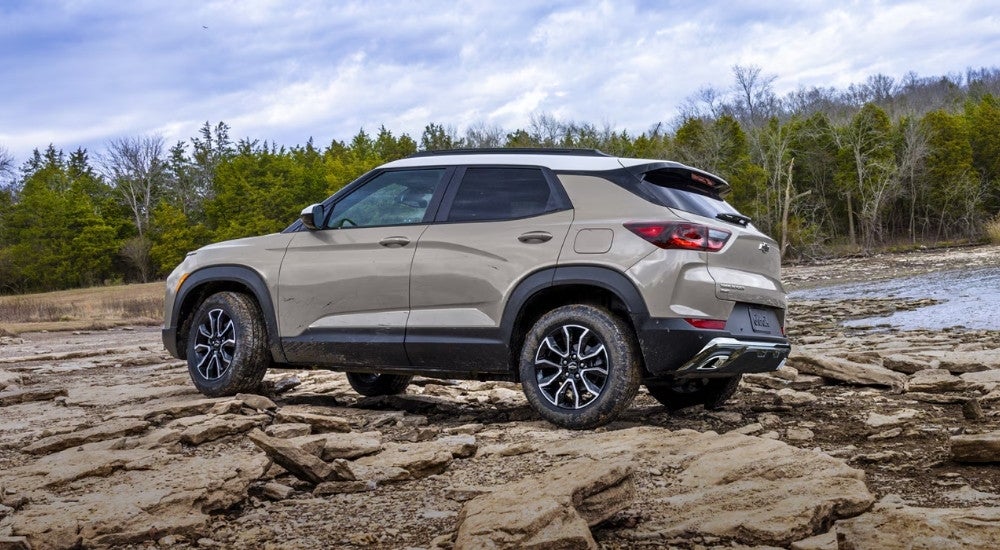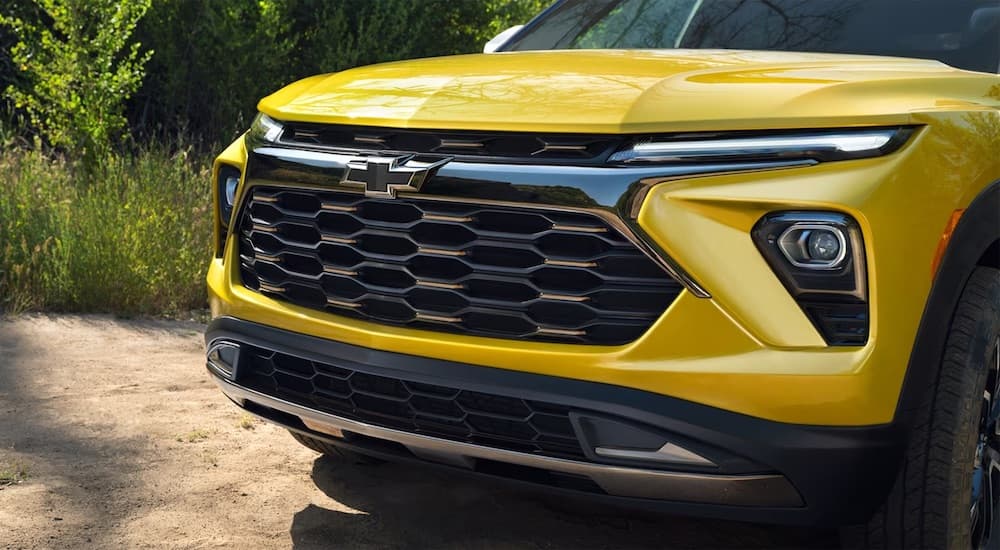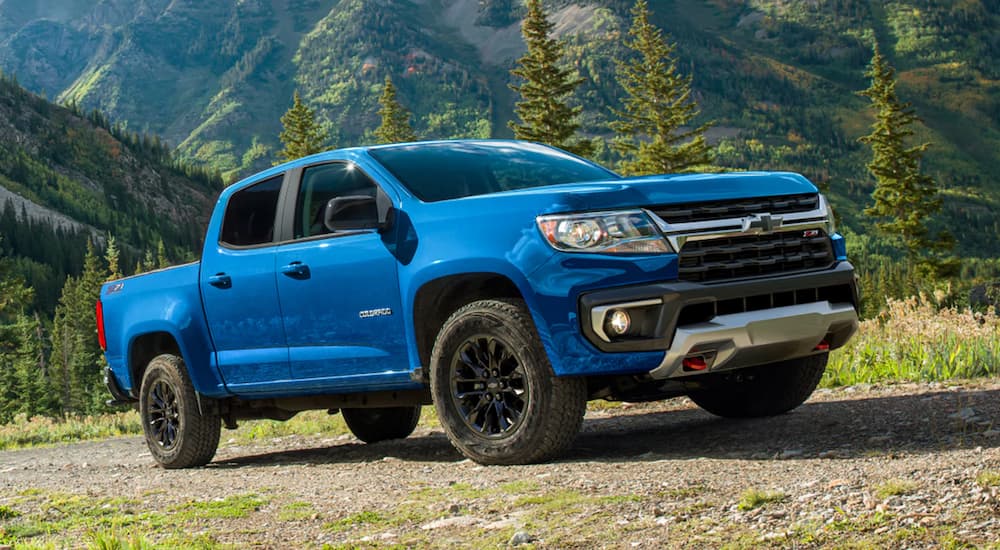





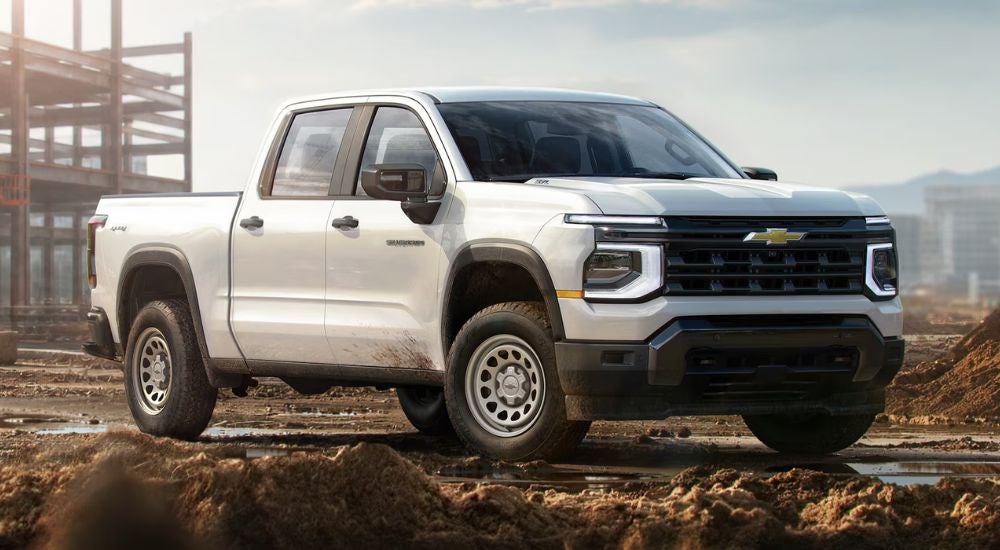
The Chevy Silverado 1500 is one of the most iconic pickup trucks for good reason. With unbeatable power, practicality, and convenience, this pickup is versatile and ready for anything, on and off the job site. Every year, the engineers at Chevrolet bring something new and exciting to the table in this popular pickup. With the Chevy Silverado for sale near Ann Arbor on our lot, drivers throughout Michigan can discover the incredible performance and features the 2027 model year has to offer. Whether you’re driving for work, recreation, or just going about your day-to-day, the latest Silverado 1500 can carry you to new horizons like never before. The strides the 2027 Chevy Silverado 1500 makes span every aspect of its capabilities, from engine performance to convenience features to safety technology. With a variety of different ways to tailor this pickup to your needs, our team at LaFontaine Chevrolet Dexter is here to help you narrow your search for the right configuration, so you can dominate any task you set your mind to with the bold capability that only Chevrolet can provide. There’s a lot to be excited about in this new iteration of the Chevy Silverado 1500, and we’ve got all the resources you need to make the most of it. Performance Specs What the 2027 Chevy Silverado 1500 is packing under its hood is among the most exciting innovations of this model year. This pickup truck has utilized a V8 as its primary engine for more than 80 years, and with the 2027 model, Chevrolet has reinvented its tried-and-true V8s from the ground up. These new engine options are sure to deliver power as you’ve never seen before. Four Engine Options The 2027 Chevy Silverado 1500 sports a standard 2.7-liter TurboMax I-4 engine, paired with a 10-speed automatic transmission, producing an impressive 350 horsepower right out of the gate. However, the Silverado 1500 is all about power, so Chevy isn't stopping at just one engine. The all-new 5.7-liter V8 engine is the future of this model, and it delivers 402 horsepower and 428 lb-ft of torque. For those who really need to get a punch out of their pickup, the additional all-new 6.6-liter V8 engine is what truly carries this vehicle into the future, with 481 horsepower and 501 lb-ft of torque. New forms of under-the-hood power are sure to set the standard for all pickup trucks going forward and leave the competition in the dust. Still, there's always the 3.0-liter Duramax Turbo-Diesel I-6 engine, which has also returned for this model, delivering fantastic fuel economy and 495 lb-ft of torque for hard-working truck drivers everywhere Seven Trim Levels The 2027 Chevy Silverado 1500 also has a variety of trim levels, each offering different performance characteristics depending on how you intend to use the vehicle. This year, seven trim levels are available. The WT The 2027 Chevy Silverado 1500 is, at heart, a light-duty work truck, and no trim level will help you make the most of this model’s job-site capability more than the WT trim. With durability and strength at the forefront, this trim offers the high-output TurboMax engine, delivering fantastic horsepower and torque for all your towing and hauling needs. It comes with slick vinyl flooring for easy cleaning while maintaining a rugged, eye-catching interior. This trim sets the standard for every trim level hereafter in terms of connectivity, with a comprehensive infotainment system that offers easy access to smartphone syncing via Apple CarPlay and Android Auto. This touchscreen measures a massive 16.3 inches. The Custom For well-balanced performance that affords high-caliber capability without compromising comfort and high-end features, the Custom trim level is exactly what you’re looking for. This trim has more advanced technology features, and it sports convenience features such as remote start, keyless open and start, and a 120-volt power outlet. The Silverado The off-road capability found in now-retired trim levels from previous model years, such as the LT, RST, and LTZ, has now been rolled into a single "Silverado" trim. It marries highly convenient tech and comfort features with serious capability. This trim has a fully redesigned interior with huge displays and additional standard features, such as heated seats and a heated steering wheel. Ambient lighting brings a sense of peace into the cockpit of the Silverado trim, keeping you comfortable on longer road trips. It also has a suspension designed for gliding over rocky, uneven terrain, keeping you in control no matter what you’re facing, so your adventure has no limits. The Custom Trail Boss The Custom Trail Boss trim level makes many of the adventurous features the Trail Boss trim offers more accessible. It includes features such as the Z71 Off-Road Package, mud terrain tires, and auto-locking rear differentials. This trim is a great choice for those who want to bring the exciting off-road capability of the 2027 Silverado 1500 home with them on a budget. The Trail Boss For those who intend to take on heavy-duty adventuring, the Trail Boss trim is packed with all the features they need to keep the good times rolling. Monotube shocks and skid plates allow for the highest off-road capability possible while protecting the truck’s underbelly, allowing the 2027 Silverado 1500 to really take a beating. 34-inch mud-terrain tires keep you in command even on the slipperiest surfaces and are sure to come in handy in extreme conditions. Automatic locking rear differentials are also useful in this trim, keeping you safe and in control, no matter how unpredictable the terrain may be. The High Country The highest possible opulence and luxury that can be found in a modern pickup truck is packed into the High Country trim. It offers the most connectivity and safety technology, as well as comfortable leather upholstery, wood accents, heated seats, and more! Possibly the greatest new addition to the Silverado 1500 is an 11.5-inch touchscreen for the front passenger, which can stream video and audio, as well as link to the navigation app on the main touchscreen. This passenger screen is also standard on the ZR2. The ZR2 For those who want to take their drive off the beaten path, the ZR2 trim level is what they’ve been waiting for, with a suspension tuned to keep things as smooth as possible, even when the terrain is rough, plus a variety of safety and convenience features, such as front and rear e-locking differentials. Competitive fuel economy and highly responsive handling also make this trim great for daily use, proving that modern pickup trucks are built for so much more than work. Find Your Own 2027 Silverado 1500 Today! With impeccable performance that innovates like no other model on the market, and a variety of trim levels that each take advantage of its next-level performance in unique ways, the 2027 Chevy Silverado 1500 is a truck that can appeal to any kind of driver. With open roads to explore throughout Michigan, no pickup can help you make the most of everyday adventures like this one, and our team at LaFontaine Chevrolet Dexter is eager to help you take one home with you. See what the 2027 Chevy Silverado 1500 can do for you today!
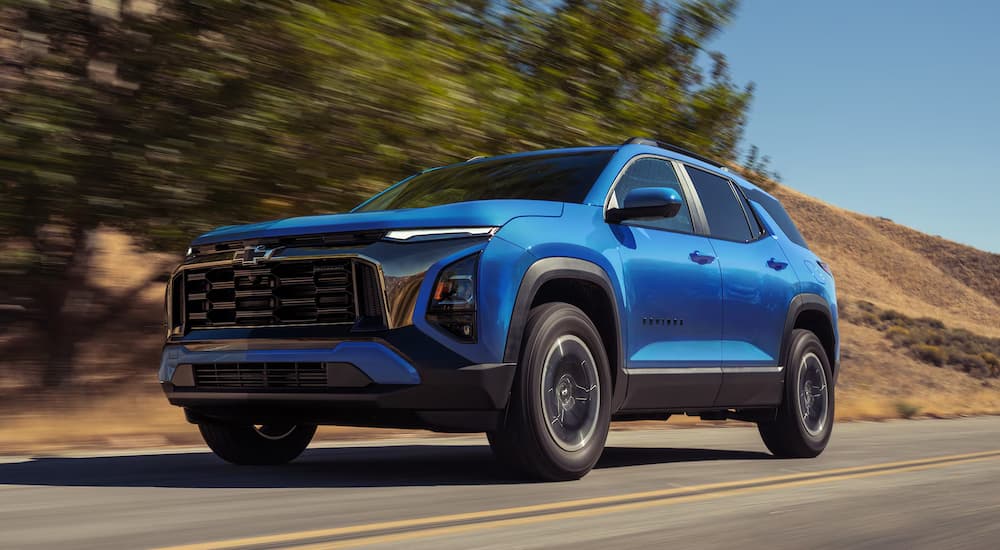
8 Great Standard Tech Features on the 2027 Chevy Equinox
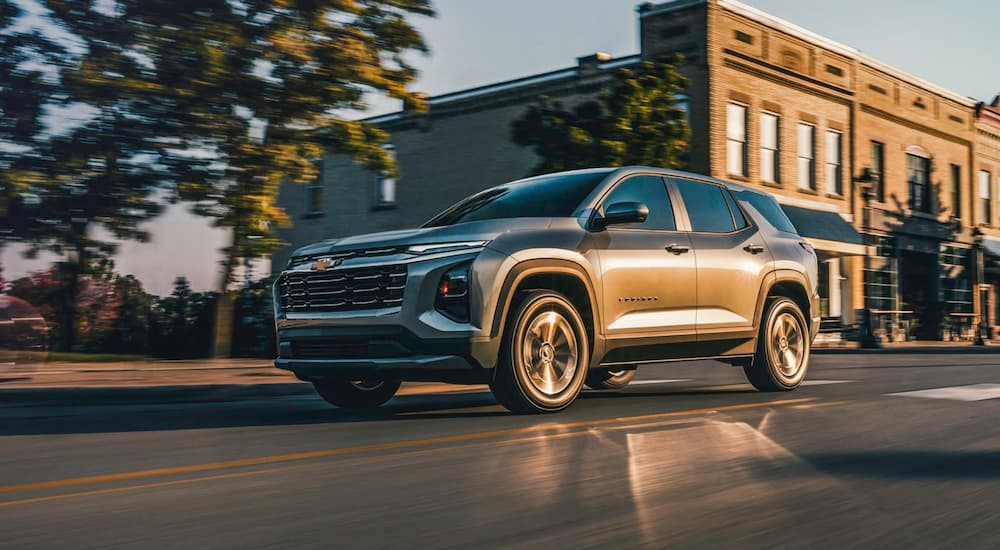
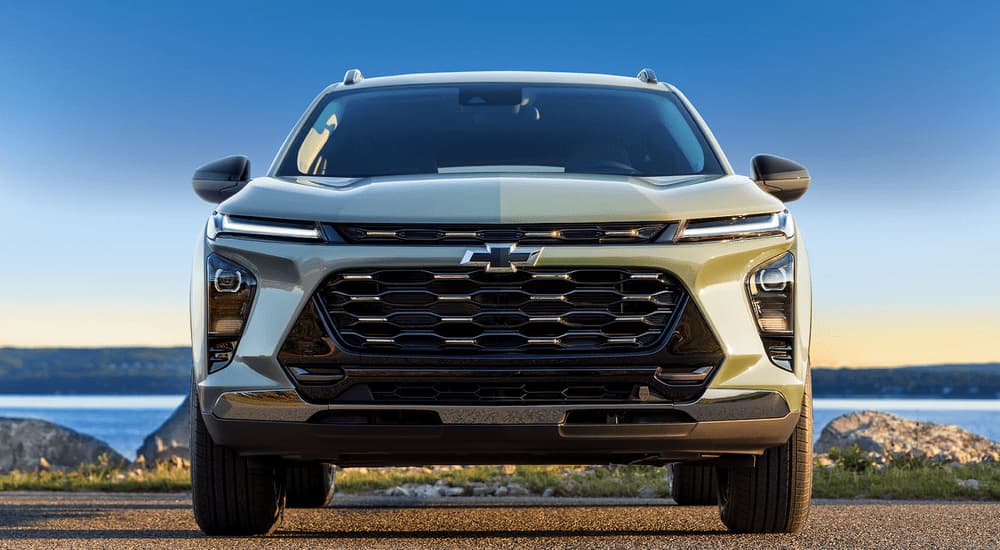
As your go-to Chevy dealer near Ann Arbor, we here at LaFontaine Chevrolet Dexter keep a close eye on the Chevrolet lineup as it changes from year to year. We want to make sure we can let you know about all the latest features, so you can make a fully informed choice about your next vehicle. If you’re in the market for a compact SUV, then the Chevy Equinox should be at the top of your list. Comfortable, reliable, and stylish, this model is great for everything from running errands to commuting to weekend getaways. One thing we love about the 2027 Equinox is how many great tech features come standard across all trims. While upgrading to a more luxurious model certainly adds some bells and whistles, you don’t need to go beyond the entry-level LT trim to get a fantastic tech setup that helps you stay informed, entertained, and connected behind the wheel. Today, we’ll take a look at eight highlights to give you an idea of what the latest Equinox brings to the table. If you want to learn more about this SUV, drop by for a visit to see it yourself, talk with our helpful team, and even get behind the wheel for a test drive. #1 - Large Display Screens There are plenty of SUVs on the market that will make you upgrade to a pricey trim level in order to unlock the largest display screens. That’s a shame, since larger touchscreens not only make text easier to read at a glance (so you can keep your eyes on the road), but they also make controls easier to press, so you don’t have to get frustrated while trying to skip a song or switch between apps. With the 2027 Equinox, you get a pair of large, easy-to-read display screens no matter what trim you choose. The 11.3-inch LCD touchscreen display in the center is the main interface for the infotainment system, which comes standard with Google built-in, so you can download apps directly to your Equinox instead of needing to sync your phone to listen to music, navigate, and more. Behind the wheel, an 11-inch driver information center showcases gauges, safety warnings, and more. Unlike a traditional gauge display, this one can be customized, so you can tweak its layout to better suit your immediate interests. #2 - Wireless Smartphone Mirroring If you prefer to use your smartphone for accessing apps behind the wheel, don’t worry: Google built-in isn’t your only option. Wireless Apple CarPlay and Android Auto compatibility also comes standard across all trims. Whether you have your phone plugged in or not, you’ll be able to listen to music and podcasts, make calls, use voice recognition to send texts, control navigation, and more through the interface of the Equinox. You can stay fully connected and entertained every time you hit the road. #3 - Remote Start Staying comfortable during hot summers and cold winters isn’t always easy, but the Equinox can make it easier with standard remote start. This helpful feature lets you start the air conditioning or heater before you get into the SUV. By the time you climb in, the cabin will already be a comfortable temperature, so you can enjoy the ride. #4 - Driver Assistance Suite While safety features like airbags, seatbelts, and backup cameras are required by law, many driver assist technologies that can help you avoid danger aren’t currently required to be included on new vehicles. Some automakers relegate these features to higher trim levels, but the 2027 Equinox comes standard with a comprehensive suite of features that help you drive with confidence everywhere, from the streets of Ann Arbor to busy freeways to crowded parking lots. All of the following features are included on all trims: Forward Collision Alert Side Bicyclist Alert Automatic Emergency Braking Front Pedestrian Braking Rear Cross-Traffic Braking Adaptive Cruise Control Lane Departure Warning Lane Keep Assist Following Distance Indicator Rear Park Assist IntelliBeam High Beams #5 - Safety Alert Seat Many driver-assist features use visual and aural warnings to alert you to danger. Since a potential collision could come from any direction and you only have one set of eyes, this can be a big help—but the standard notification systems aren’t always ideal. When you hear a beeping sound, you need to look at your display to see what the warning is, and you might not react quickly enough to avoid the danger. On top of that, beeping sounds can be annoying and may be drowned out by rambunctious backseat passengers or road noise. Safety Alert Seat—a standard feature on the Equinox—works differently. When a driver-assist system senses a threat, you’ll feel vibration on either the left, right, or both sides of the seat. This directional stimuli can be felt no matter how loud the cabin gets, and it lets you know immediately which direction to pay attention to, so you can react quickly and drive safely. #6 - Active Noise Cancellation Speaking of road noise, every Equinox model comes standard with active noise cancellation. If you’re driving past a construction site, an outdoor party, or any other noisy happenings as you drive around Ann Arbor, you’ll be able to continue to enjoy peace and quiet in the cabin of your Equinox. #7 - Heated Seats & Steering Wheel On a cold winter morning, sometimes hot air coming through the vents isn’t enough to keep you comfortable, especially if you’ve just been out in the cold for a while and need to thaw your frozen hands and core. With the 2027 Equinox, you can get cozy in a snap, thanks to standard heated front seats and a standard heated steering wheel. Between these features and remote start, you have everything you need to make it through even the coldest Ann Arbor winter without feeling like a popsicle behind the wheel. #8 - Teen Driver Mode The Equinox is a great family car—not just because it has enough space to carry kids and cargo and a fantastic lineup of convenience features to help make your life easier as a parent, but also because it can easily transition into being your teen’s first ride when they get old enough. We’ve already discussed how many great safety features come standard on the 2027 Equinox, and that certainly comes in handy when you’re trying to find peace of mind as your kids start driving, but it isn’t the only reason why this SUV is a good choice for parents of teenagers. Chevy actually has a dedicated Teen Driver feature that comes standard across its lineup. This built-in app ensures that many driver-assist features can’t be turned off while your teen is driving, and it also lets you set speed and volume limits. The stereo also won’t turn on until the front-seat occupants have buckled up, helping to enforce good habits. On top of all that, this system monitors your teen’s driving progress and puts together an in-vehicle report card that you can use to help coach your novice driver, once they've started driving without your supervision. This feature can be linked to a particular key fob, so you and your young driver can share the SUV and you won’t have to apply any of the Teen Driver restrictions to yourself while you’re the one behind the wheel. -->